
The Lives of a Showgirl
Follies and the fate(s) of Ophelia
Two days ago, Taylor Swift released her twelfth studio album, The Life of a Showgirl. Its lead single is “The Fate of Ophelia.” Swift has pulled two of theatre’s most enduring archetypes into the glare of the pop-cultural present. For those of us haunted by the glitter and the ruin of Follies, it’s hard not to sit up and take notice.
The showgirl has long embodied the paradox of theatrical glamour, dazzling under the lights while concealing the cost of endurance. Her pain, as Swift puts it, is “hidden by the lipstick and lace.” She is spectacle itself: sequins, stagecraft, and a smile sustained against all odds. Ophelia embodies the inverse: fragility, disintegration, the tragic collapse beneath the burden of performance. “The venom stole her sanity,” says Swift.
The shimmer of performance and the shadow of collapse are so often inseparable parts of the same story. Swift understands this, and so did Stephen Sondheim.
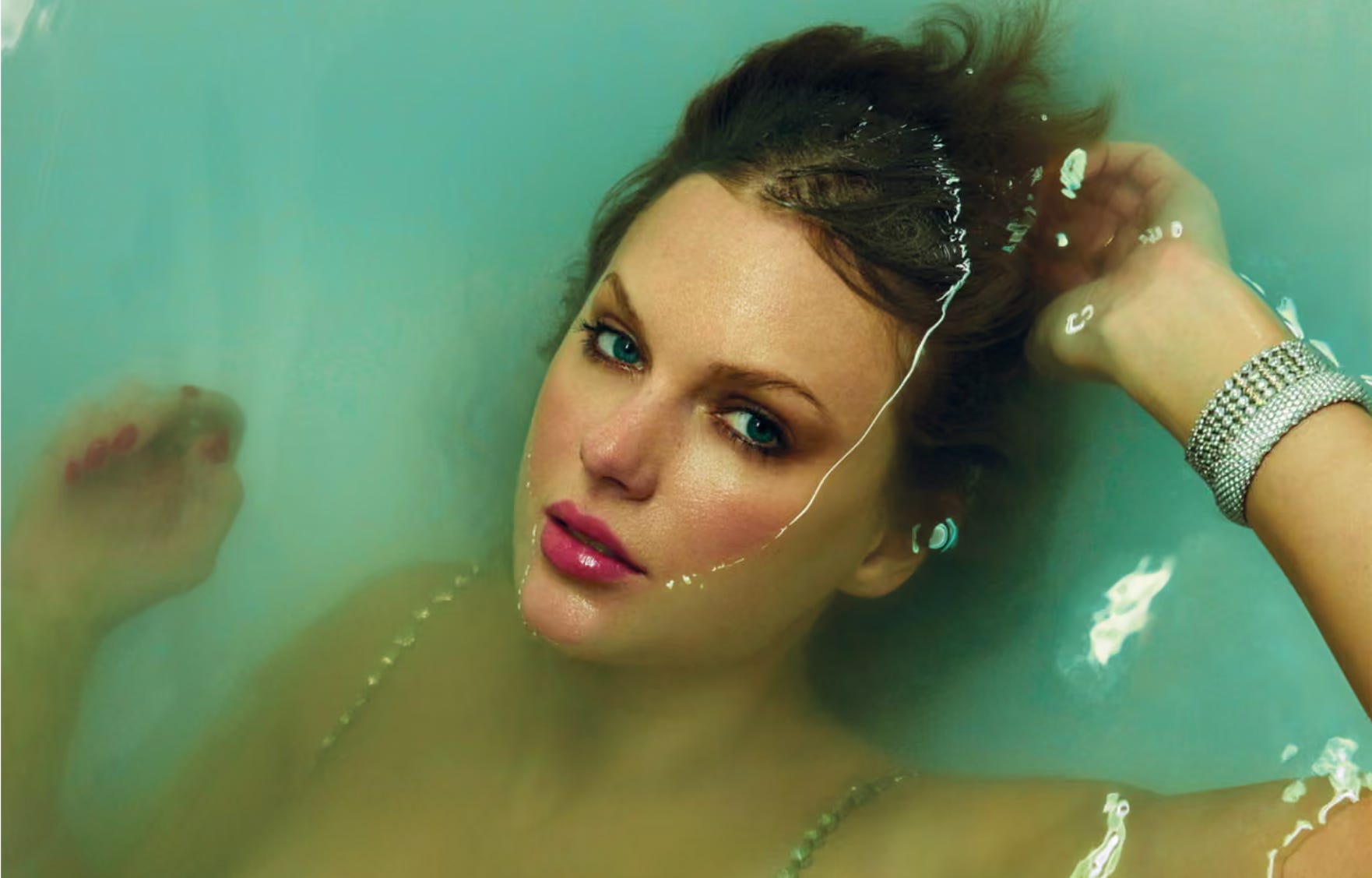
Thank you for reading! Upgrade to paid to support our work & receive our weekly Sondheim Supplements: exclusive crosswords, additional essays, extended interviews, & more.
In musical theatre, the figure of the showgirl has always carried a double charge. On one hand, she promises escape into an ideal of beauty and allure. On the other, she is often the character through whom musicals explore what that glamour costs: the compromises, the fractures, the selves that must be hidden or sacrificed to keep the performance going. To speak of a “life of a showgirl,” then, is always to speak of a doubled existence.
You can trace this duality across the canon. In Show Boat (1927), the Ziegfeld-style world of spectacle is shadowed by the fate of Julie, whose career collapses under the weight of social prejudice. Gypsy (1959) makes it central: Louise becomes Gypsy Rose Lee not by donning feathers, but by learning to turn objectification into agency, stepping into a persona that both empowers and estranges her from her former self. Sweet Charity (1966) gives us a heroine who works as a dance-hall hostess, resiliently hopeful yet perpetually bruised by the gap between her romantic dreams and her tawdry reality. In Cabaret (1966), Sally Bowles shimmers under the spotlight but is fragile and rootless offstage, her life as precarious as the Weimar cabaret she inhabits. Chicago (1975) pushes the showgirl persona into satire: Roxie and Velma weaponize it, turning sequins and jazz hands into tools of survival and celebrity. And in Nine (1982), Guido’s dream ballets summon a chorus of stylized showgirls who embody his desire and projection, women reduced to spectacle by the prism of his imagination.
But nowhere is this tension exposed with greater cruelty and clarity than in Follies (1971). The sequins are gone, the stage is in ruins, and Sondheim and Goldman’s former showgirls are left to reckon with time, memory, and loss.
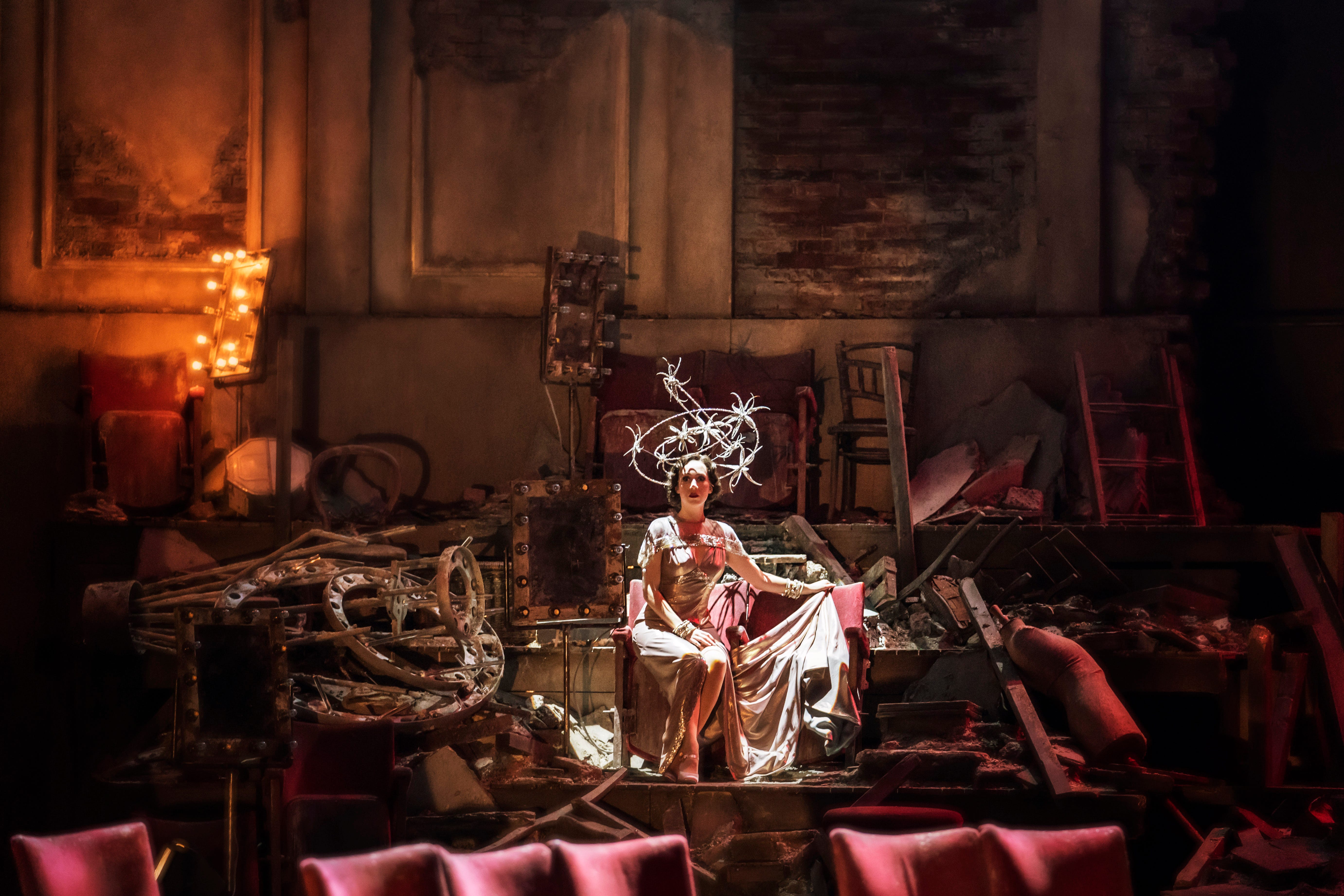
If the life of a showgirl is about the gap between surface and self, no character embodies that rift more painfully than Sally Durant Plummer. She is Follies’ Ophelia: fragile, yearning, and undone by illusions she cannot relinquish. Like Shakespeare’s heroine, Sally has tethered her identity to a love that never truly belonged to her. Just as Ophelia’s fate is sealed by Hamlet’s refusal and absence, Sally’s is defined by her fixation on Benjamin Stone—the man she insists she was meant to have, the man who never chose her.