
A Conversation with James Dybas
"I was someone in a tree." We speak to Pacific Overtures' original Old Man & French Admiral
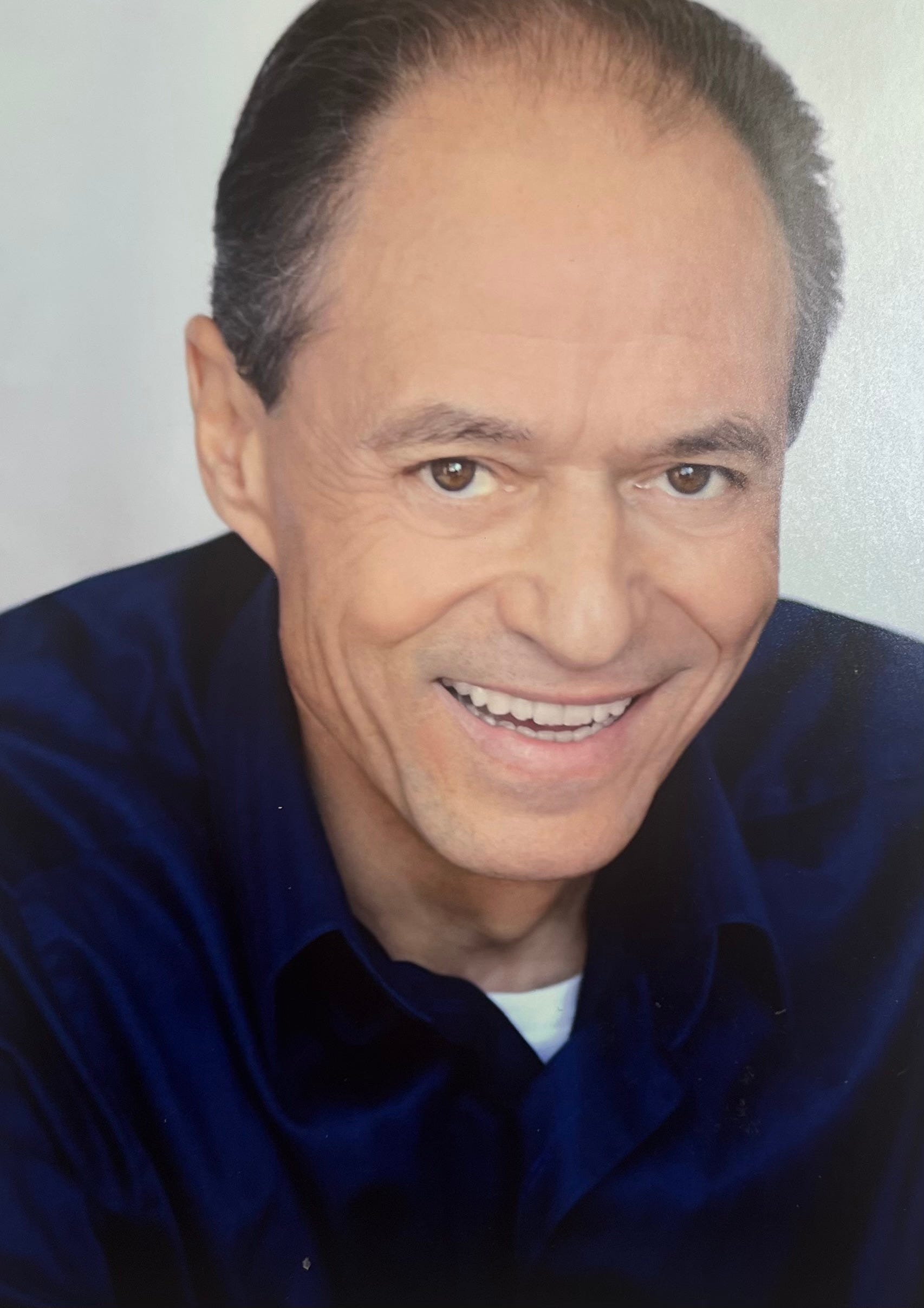
It’s a tremendous honor to welcome original Pacific Overtures cast member James Dybas to The Sondheim Hub. Dybas created multiple roles in the show, including the Old Man in “Someone in a Tree” and the French Admiral of “Please Hello.” Below, James reflects with warmth, wit, and candor on this extraordinary musical in its 50th anniversary year. Our conversation begins below:
Thank you for reading! Upgrade to a premium subscription for full access to The Sondheim Hub: an exclusive essay, extended interview, crossword & more each week — plus, our complete, paywall-free library of 250+ essays, features & interviews.
It’s a real privilege to talk to you, especially in Pacific Overtures’ 50th anniversary year. Tell me a little about your path toward the show.
I have to thank Patricia Birch, our choreographer, for my being in this show. I had just assisted her on a Broadway show that she was going to be directing and choreographing, called Truckload. We had several previews, and that was it. The show closed. But she knew my work, and I had been working alongside her, and she called me on the phone one day and told me that they were casting for Pacific Overtures. She said, “You are part Asian, aren’t you?” And I said, “Oh, yes, of course.” And then I said, “Can you hang on just a minute? Somebody’s at the door.”
I had the book Shogun on the nightstand next to my bed, because I had purchased it to give her as an opening night present for Pacific Overtures. I had no idea that she was going to ask me to contact Joanna Merlin, the casting director, and put my hat in the ring. So I looked through Shogun, kept going through the pages, and kept seeing the name Omi, Omi, Omi. So I said, “Well, Pat, my grandmother was part Filipino, and her name was Omi.” She said, “Well, when we send you in, can we bill you as James Omi Dybas?” I said, “Sure, absolutely.”
So Joanna Merlin brought me in, and I decided I would sing “Feeling Good” from The Roar of the Greasepaint — The Smell of the Crowd, because the images to me were like a Japanese woodcut. “Birds flying high, you know how I feel.” I wore a sport jacket and turned the lapels up and inwards so that it looked like I had a mandarin collar. I sang the song, and they told me on the spot that I had the job. They had been casting for a little more than a year, and had gone all over the world looking for Asian actors to play all of the roles. I was the last person to be cast — they needed one more part. I chose the right song, and there I was.
I know you’ve been following our “Please Hello” essay series, and I’d love to know what your first memories of that number in particular are.
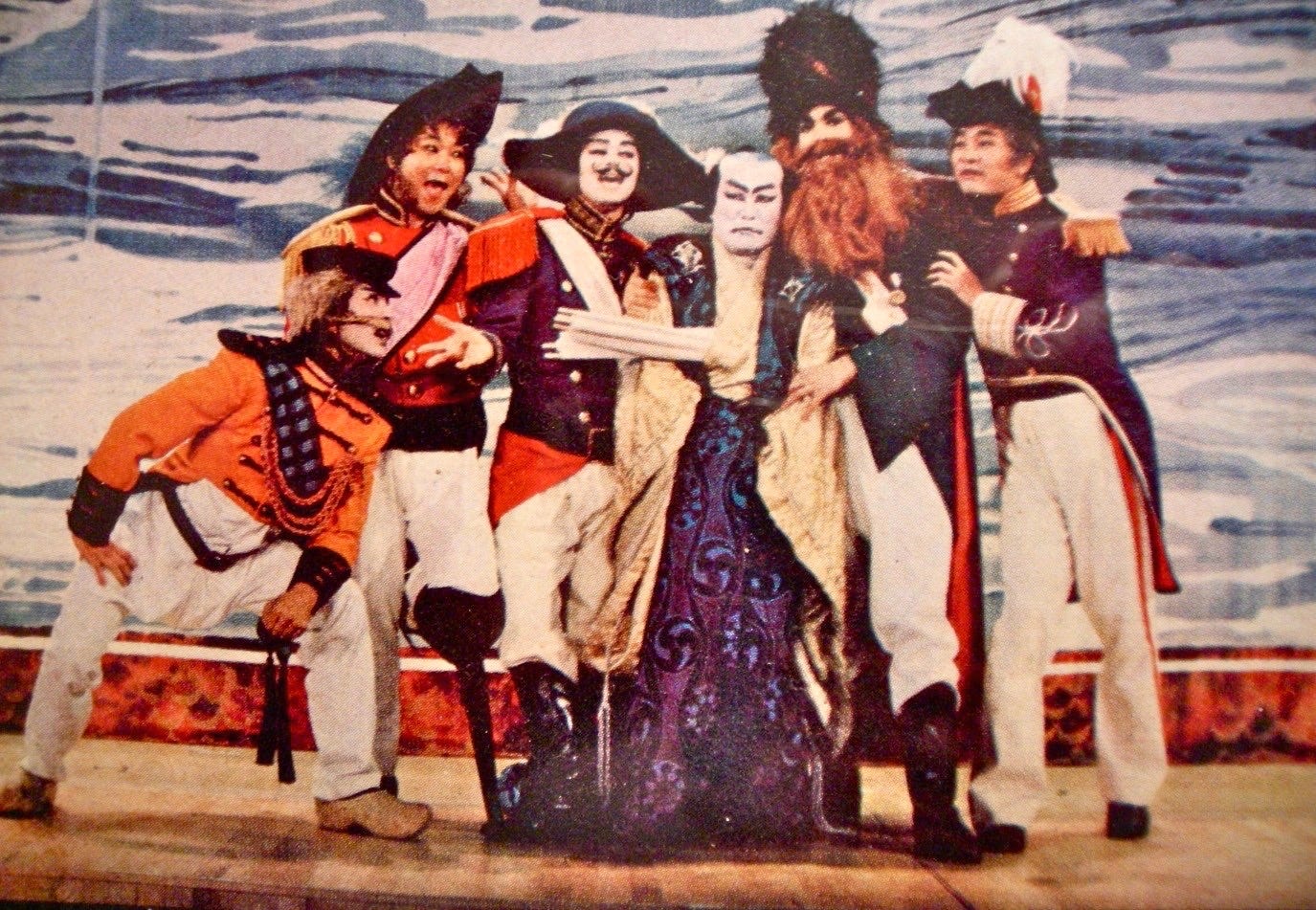
I remember getting the music for “Please Hello.” I wanted to play the Russian Admiral, because I thought it seemed the most fun — “Don’t touch the coat!” — and Pat said, “No, no, no, no, no. I know your work. You’ll be perfect as the French Admiral. I know you can move, and you move well, and the French Admiral never stops moving.”
And I have to tell you that Florence Klotz’s wonderful costume was terrific. However, it was heavy, with the sash and the medals and everything, so I had to jump around with all of this heaviness on me.
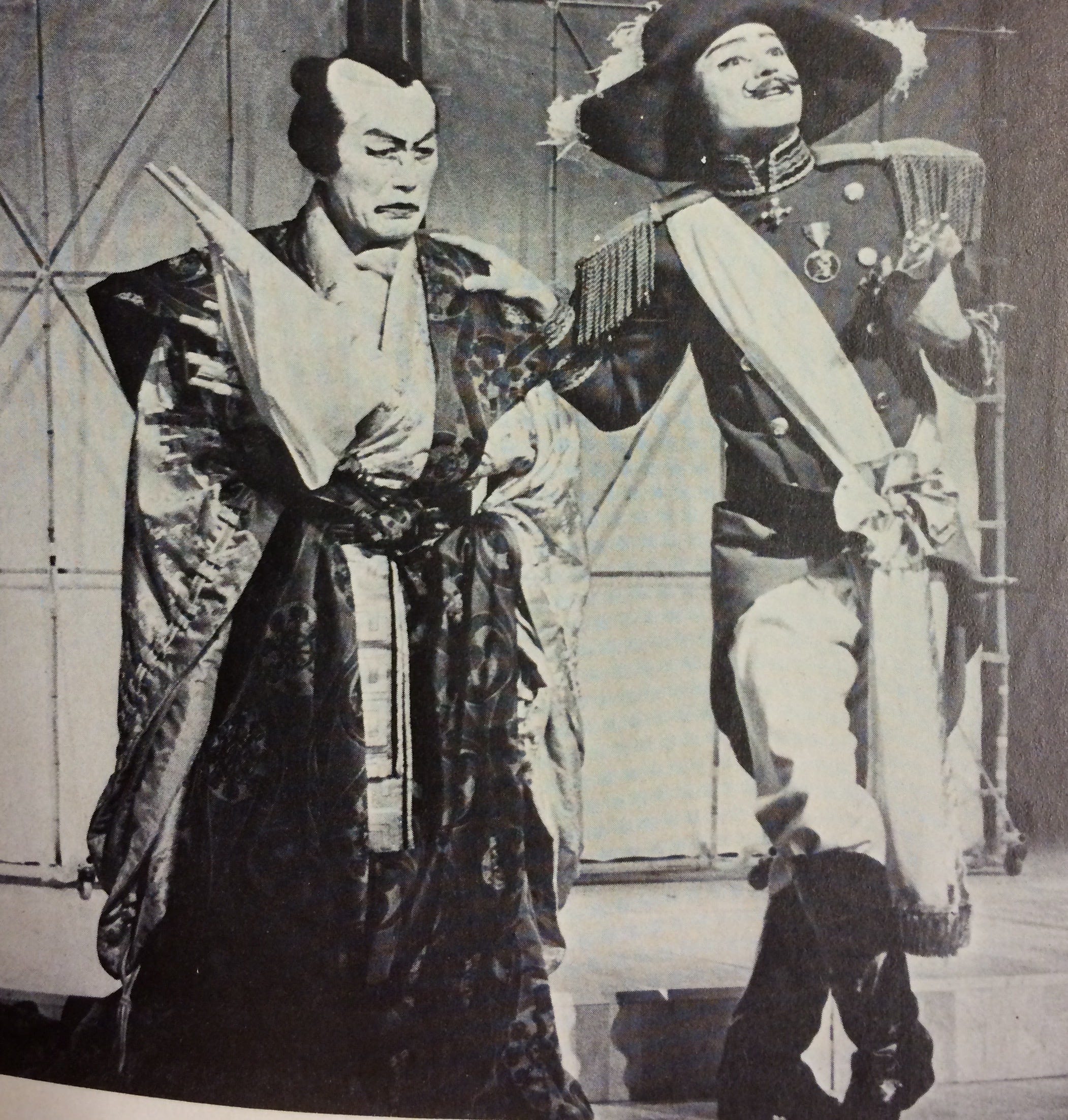
But we worked it out, and Pat knew what she was doing; she knew what I could do and what I would bring to it. And the other guys playing the Admirals were all so great: Alvin Ing, Ernest Harada, Patrick Kinser-Lau and Mark Hsu Syers. They were all just so wonderful in their roles — and perfectly cast, I might add.
We put the number together piecemeal. I think that each of us learned our parts, and would rehearse those parts separately, and then we just put it all together to see how it fit.
When you were cast, were you assigned all three of your named roles [French Admiral, Old Man, Councillor] at that time?
No. My contract just read as “cast.” I had no idea what I was going to be doing — and boy, do I have a story about that. There I was, playing the Second Councillor, and then we started to talk about “Please Hello.” I got that role, and I started learning it bit by bit by bit.
But as far as “Someone in a Tree” is concerned, here’s how it unfolded. We were out of town, and the song was originally performed by one of the co-stars, Soon-tek Oh. However, Soon-Tek was an actor more than he was a singer — and he also had a very fast change from the scene before, to get into the Old Man’s costume with the beard and the bald head and everything, and it just wasn’t happening.
So Hal Prince came up to me one day and said, “James, we’d like you to take a look at ‘Someone in a Tree,’ because we’re thinking of having someone else do it, and we’d like to hear what you would do with the song.”
I got the music, and the next thing I knew, I was up at Steve Sondheim’s hotel, which was very near the theatre. I walked into the room, and Steve was on the telephone. He said, “Just have a seat, Jim.” The top of the piano had all these coffee cups and cigarettes smashed out in ashtrays. It was like one of those old Hollywood movies, where you see so clearly: we’re putting on a show, you know?
I sat there with the music, and in comes Hal, in comes Hugh Wheeler, in comes Pat Birch, Ruth Mitchell… The whole team came in. I took the music, they sat on the sofa. I was a couple of feet away from them, and I started to sing the song. I got through it. Hal said, “Thank you very much, Jim. That’s what we wanted to hear. Thanks for coming.” They didn’t tell me if I was doing it or not.
And then it was a Saturday matinée — I’ll never forget this — and another cast member was walking up the street and said to me, “I hear you’re going to be singing ‘Someone in a Tree.’” I said, “What? How do you know? I don’t know that yet!” So I got to the theater, and Hal said, “We’d like you to do it. When do you think you can have it in?” I said, “Well, let me see. Today is Saturday… It’s 137 bars... How about Wednesday matinée?” He said, “Perfect. That’s exactly what we were thinking.”
So I had our pianist in the orchestra record the song for me, and I had it with me all the time on my tape recorder, going over and over it, so that by Wednesday matinée I would be sure to have the song down.
When Hal told me they wanted me to do it, I asked if they would please let Soon-tek know this. I went to Soon-tek’s dressing room and told him, “You’re such a wonderful actor. I hope that I can bring all of the wonderful acting beats that you brought to this song.” And I left it at that. I didn’t want there to be any hard feelings at all, and there weren’t. So the rest is history, and I was someone in a tree.
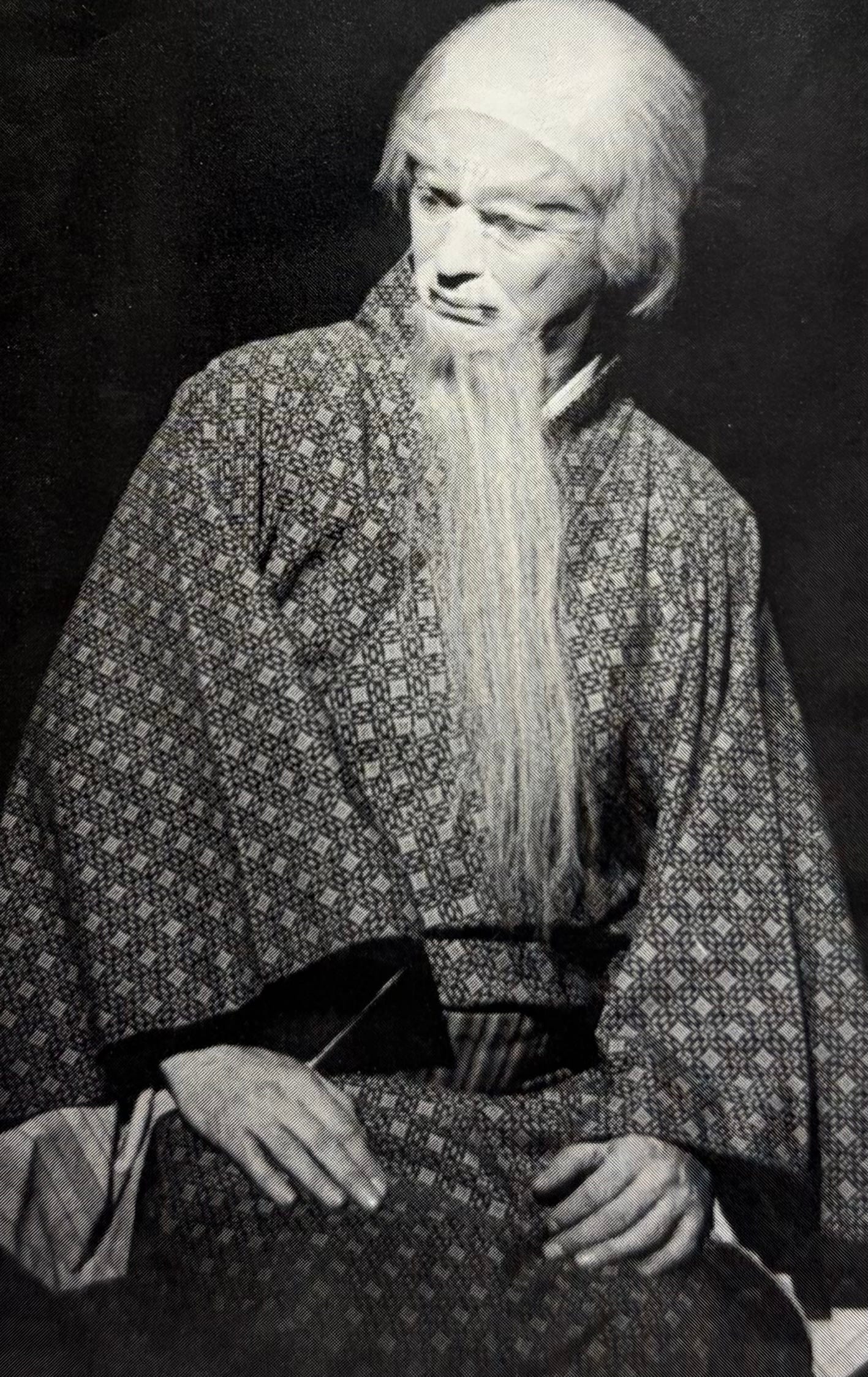
Sondheim would often cite “Someone in a Tree” as the number he was most proud of. As you look back on that time now, what does it mean to have helped create that number?
I just have to say, in retrospect, it was such a gift. I am so grateful for the opportunity to have been able to create that song.
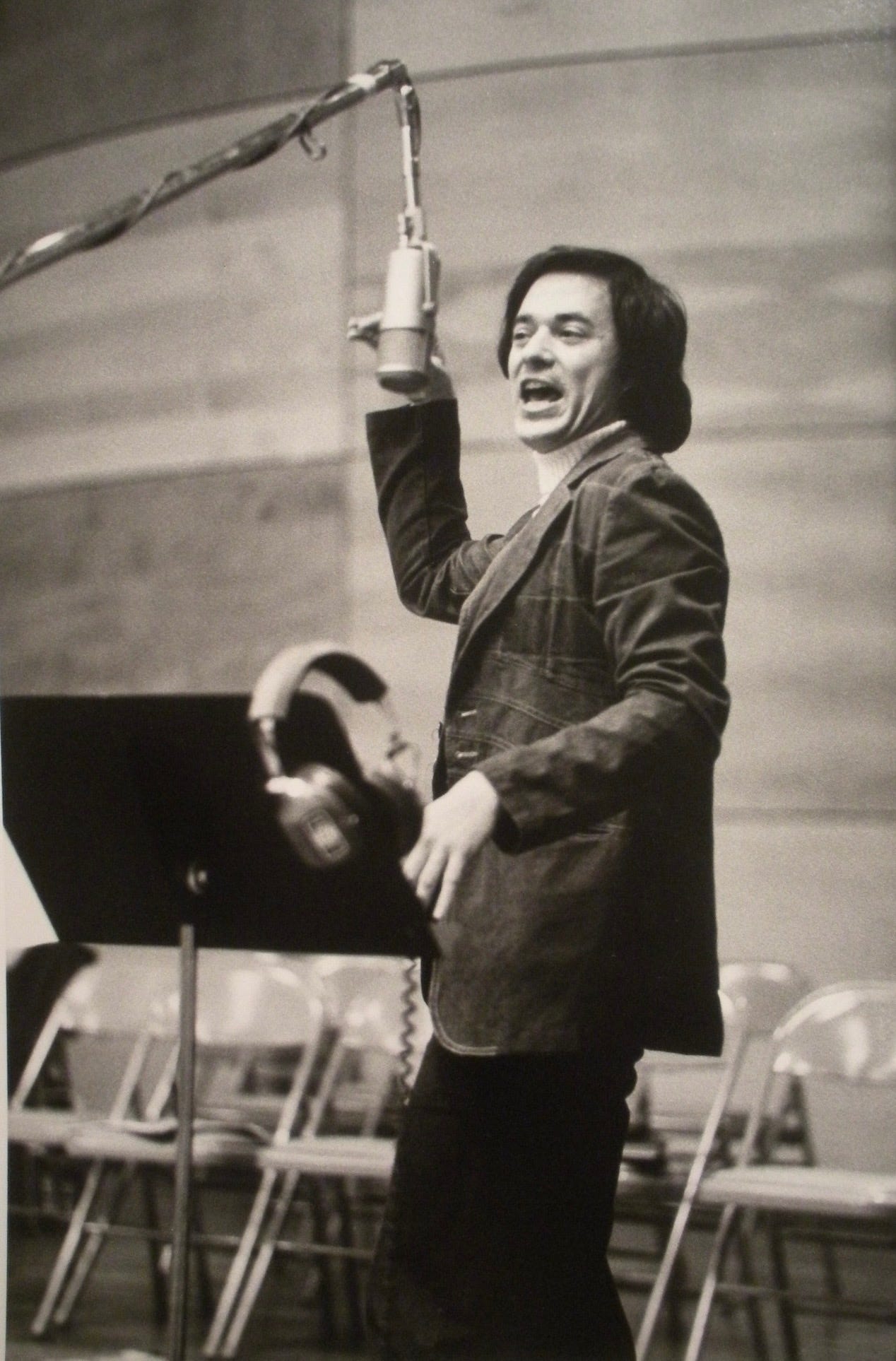
I remember the recording session, and I remember Steve standing in the back as we were listening to the playback. We did it in one take. I said, “Are you sure? Can we do it again?” “No, we’ve got what we want.” I’m grateful for Jonathan Tunick’s beautiful orchestrations, and for what Thomas Z. Shepard did to produce the recording.
And who knew at the time that Steve would, at some point in his life, say that it was his favourite song that he’d ever written, and that it made him cry when he heard it? I’m just, again, so grateful — really grateful, grateful, grateful — for the gift of that song. I was just doing my job at the time; I had no idea it would turn into what it has become.
There’s a fantastic video of “Someone in a Tree” that many of our readers will have seen — Sondheim at the piano, with the four of you around it, singing. What are your memories of that experience?
Well, there we were in Steve’s townhouse on East 49th Street, with the critic from the New York Times. It was amazing, just amazing, to be there with him accompanying us. We had become such a close unit by that time, after rehearsing the song and then performing it. That show was called Camera Three. We recorded it not long after we opened. It was such a treat. And I love the fact that at the end, Steve has the sheet music on the piano with him, and when the song is over and we all sing our last notes, the camera pans to him and he looks up and gives a smile. Again, such a gift.
Sondheim always made himself available. He was always available, and he was open to whatever kind of questions we had about what he wanted from the lyrics and music. And he was a kind man — at least, that’s my experience with him. He was kind, and he was open and generous with his time, and with his answers to questions I might have.
Pacific Overtures has become so studied, and so celebrated. But at the time, it must have felt quite risky — so different from everything else on Broadway. Were you conscious at the time of just how daring it was?
Absolutely, and that’s what made it special. Being in rehearsal and listening to everybody else sing the other wonderful songs in this show, I didn’t ever think that it was not going to be a success. I just thought, this music is so extraordinary. And Sondheim knew that most Westerners had never seen Japanese theatre, anywhere. So I think they all knew that, and they were ready for anything.
I remember the day after we opened, Clive Barnes in the New York Times did not give it a good review. However, the Wall Street Journal did. And Hal called us all on stage at our half hour call and said, “I just want you all to know that the next best thing to out-and-out raves are mixed reviews, because people are curious. They want to see for themselves what it is.” So we had terrific audiences. There were a lot of people who loved it, and a lot of people who didn’t get it.
You’ve had the opportunity to see the show in various productions over the years. Are you ever able to watch it purely as an audience member, or do you always find yourself tracing your own route through the piece?
Both. I’m able to do both. I happened to be in Philadelphia when the Arden Theatre Company was doing a production of it. I went up to the box office and said, “Are there any tickets left? I was in the original cast of this on Broadway.” They gave me a comp, and sat me on the aisle.
When the fellow playing the Old Man in “Someone in a Tree” started the song, he walked up the aisle — though I’m sure he didn’t know that’s where I was sitting — and stood right next to my seat. The spotlight, as he started to sing, spilled over onto me sitting in my seat. It was just the most extraordinary thing.
My dear Gedde Watanabe — my boy in the tree — did a production in Los Angeles, which unfortunately I wasn’t able to get out to see, but in that production he played the Old Man. We had such a wonderful relationship, Gedde and I. He’s a terrific fellow. We’re still in touch.
I look at photographs of the production and, well, I’m the last man standing from the “Please Hello” group. There aren’t so many of us left. But the show speaks for itself. The brilliance of the piece speaks for itself.
At our closing performance at the Winter Garden Theatre, after I sang “Someone in a Tree” — my last physical action in the song is to put my arms up into the air and say, “Only cups of tea / And history / And someone in a tree.” And at that performance, I felt that history happening. I have goosebumps as I say it now. The applause started, I walked off stage, walked up to my dressing room on the third floor, and I could still hear the applause. It’s emblazoned in my mind — that extraordinary closing performance, a Sunday matinée.
✍️ Please support our work by upgrading to a premium subscription:
The Sondheim Hub exists solely thanks to the generous support of our readers. Please consider supporting our work for a few dollars each month. A premium subscription gives you full access to The Sondheim Hub: an exclusive essay, crossword, extended interview & more each week, plus our complete, paywall-free library of 250+ essays, features & interviews. 📚